

Those first weeks with a newborn can feel like a beautiful blur of feeding, changing, cuddling, and sleep. A lot of sleep. Newborns typically sleep 14-17 hours a day, often in shorter stretches as they wake up to feed every few hours. When you're functioning on less sleep yourself, having a few safer-sleep basics in place can help bedtime and naptime feel a little more intuitive and a lot more manageable.
A thoughtful sleep routine starts with the fundamentals. Following safer-sleep basics can help protect babies during sleep while giving you greater confidence in the space you've created for your little one. Every baby is different, so if you have questions about sleep, feeding, or development, talk with your pediatrician.
How Much Sleep Should a Newborn Get?
Newborns typically sleep 14-17 hours in a 24-hour period, although some sleep more and some sleep less. From 4-11 months, babies may sleep about 12-15 hours a day.
Those early stretches of sleep are often interrupted by feedings. Newborns feed every few hours, including overnight. Breastfed babies typically feed about every 2-3 hours, while formula-fed babies typically feed about every 3-4 hours.
Place Baby on Their Back for Every Sleep
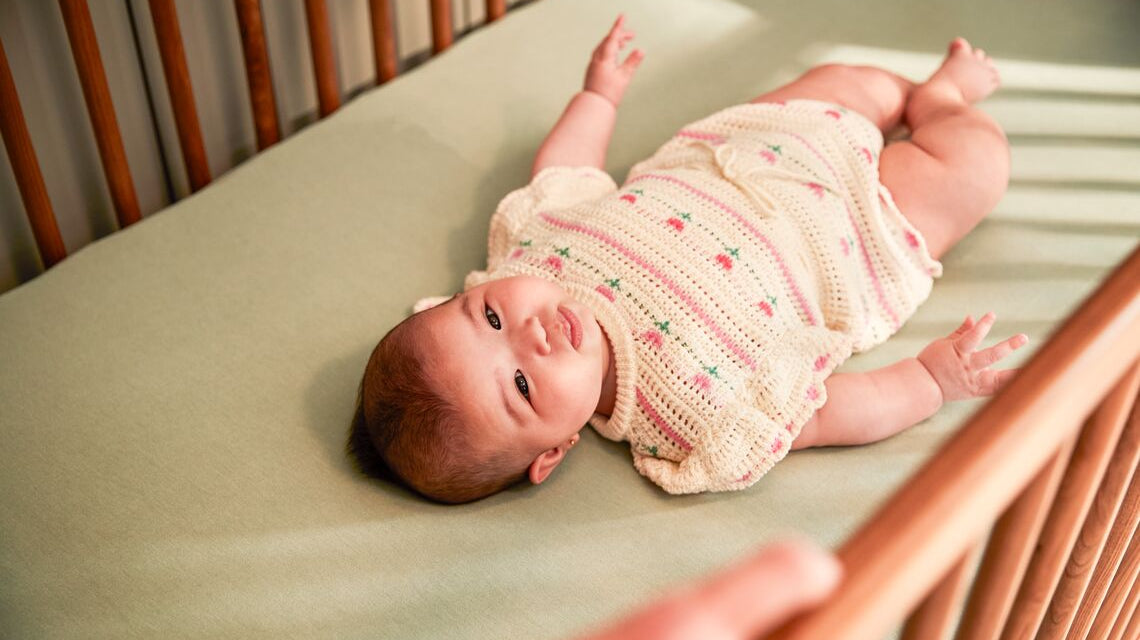
For naps and nighttime sleep, place your baby on their back - not on their stomach or side. Making back sleeping part of every nap and bedtime is a simple, consistent way to build a safer sleep routine from day one.
Choose a Firm, Flat Sleep Surface
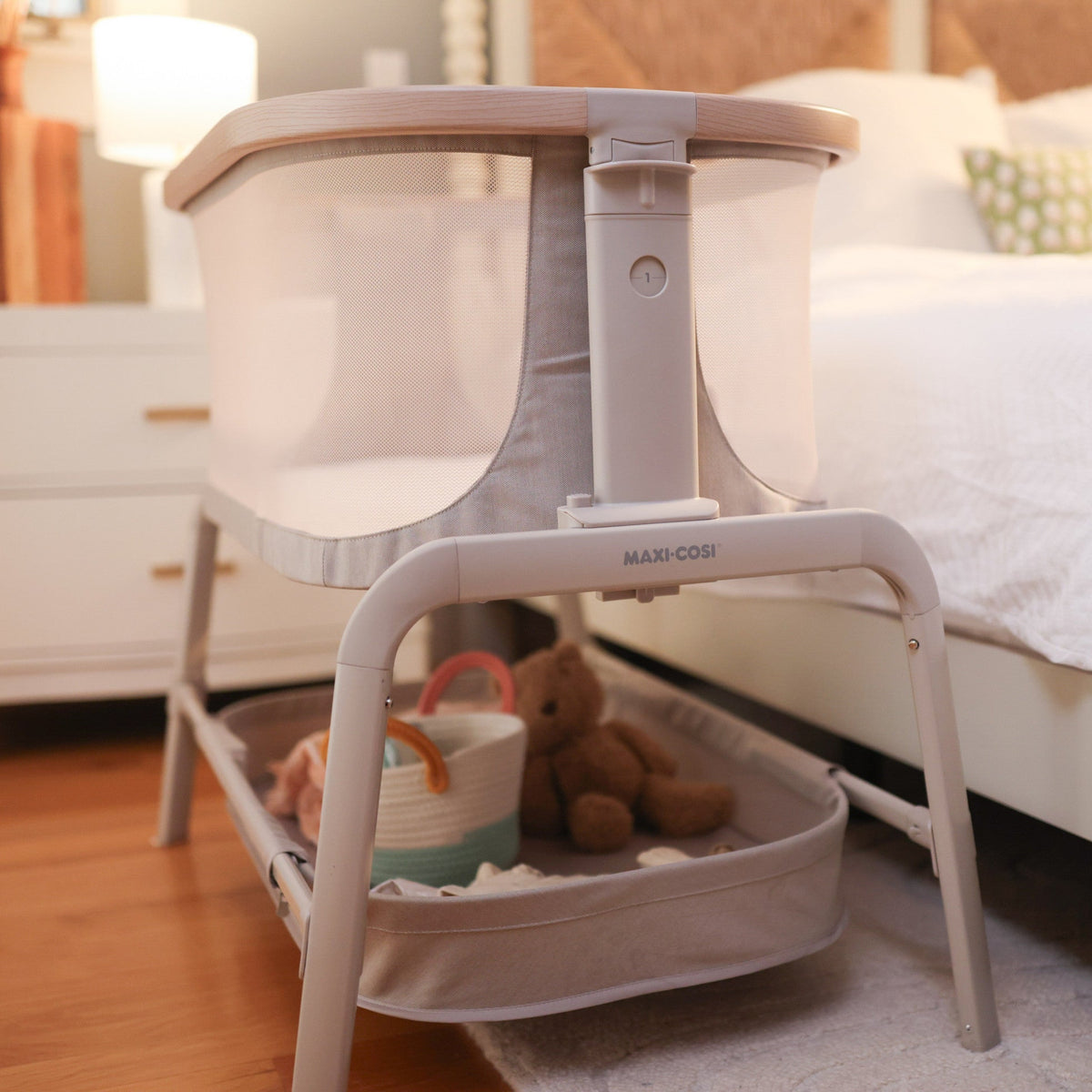
Use a firm, flat mattress in a crib or bassinet designed for infant sleep. Choose sleep surfaces and products that meet applicable U.S. Consumer Product Safety Commission (CPSC) federal safety standards.
Keep the Crib or Bassinet Clear
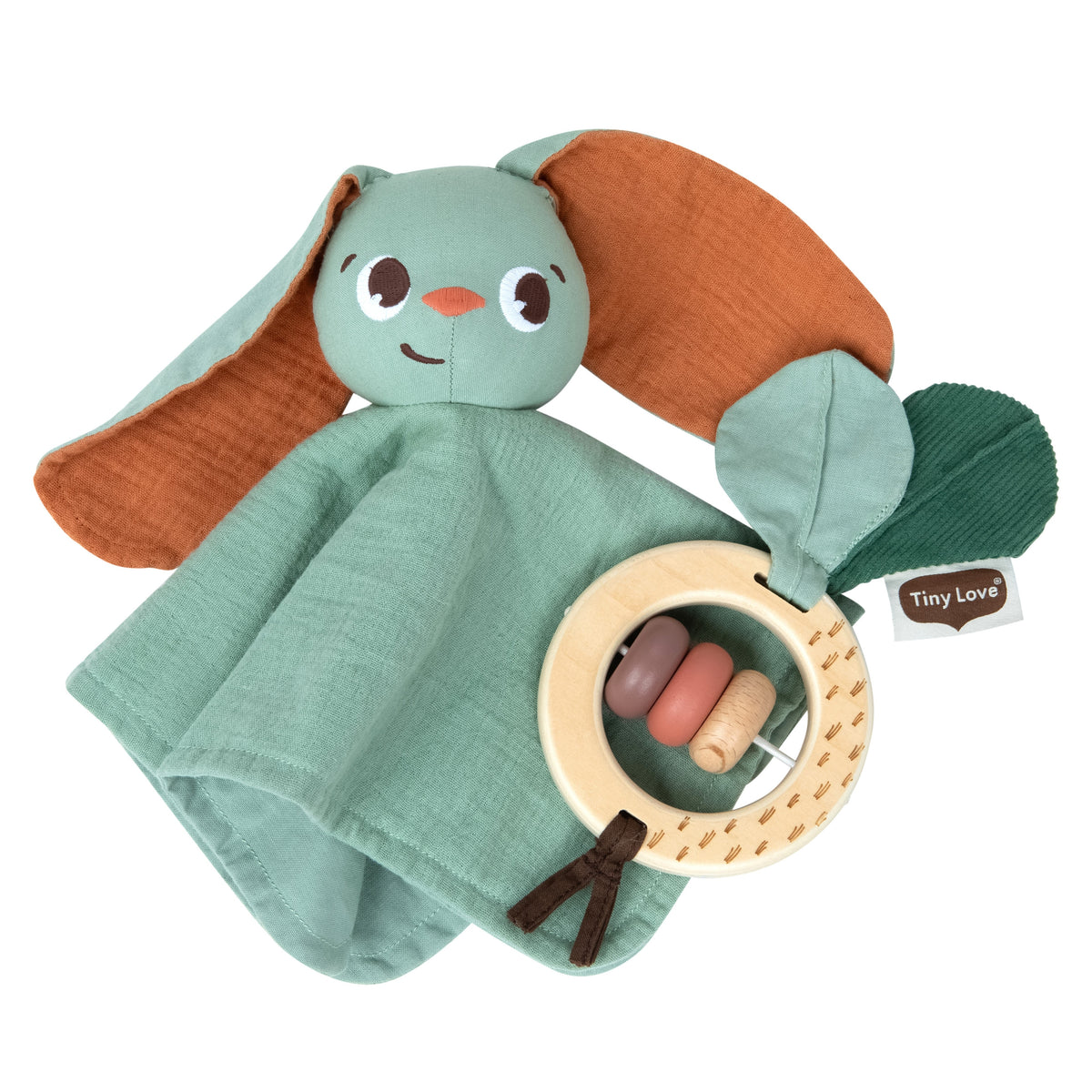
When your little one is sleeping, a clear crib or bassinet helps keep the sleep space simple and intentional. Keep stuffed animals, pillows, blankets, crib bumpers, and other loose items out of the sleep space.
Keep Baby Close - Without Bed Sharing
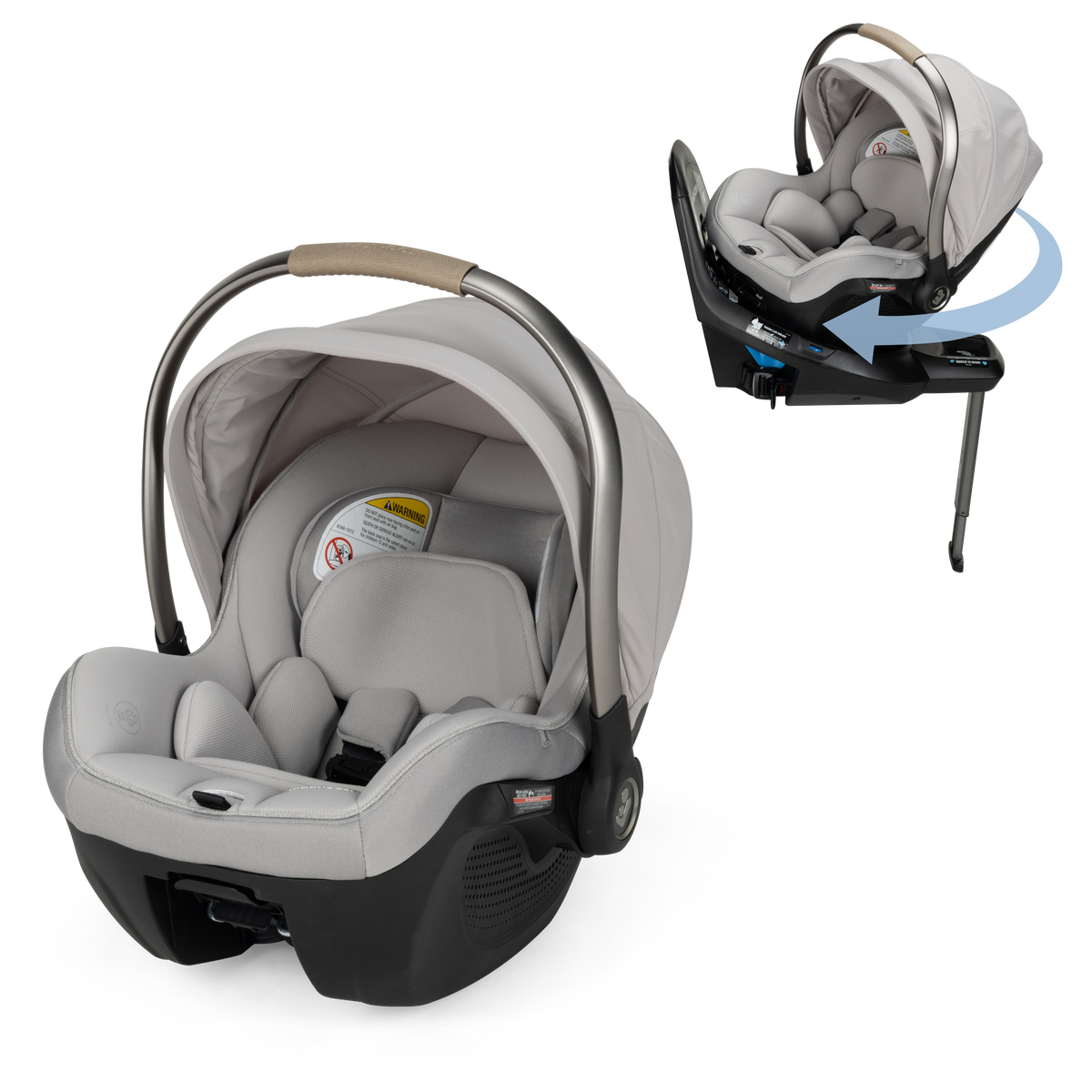
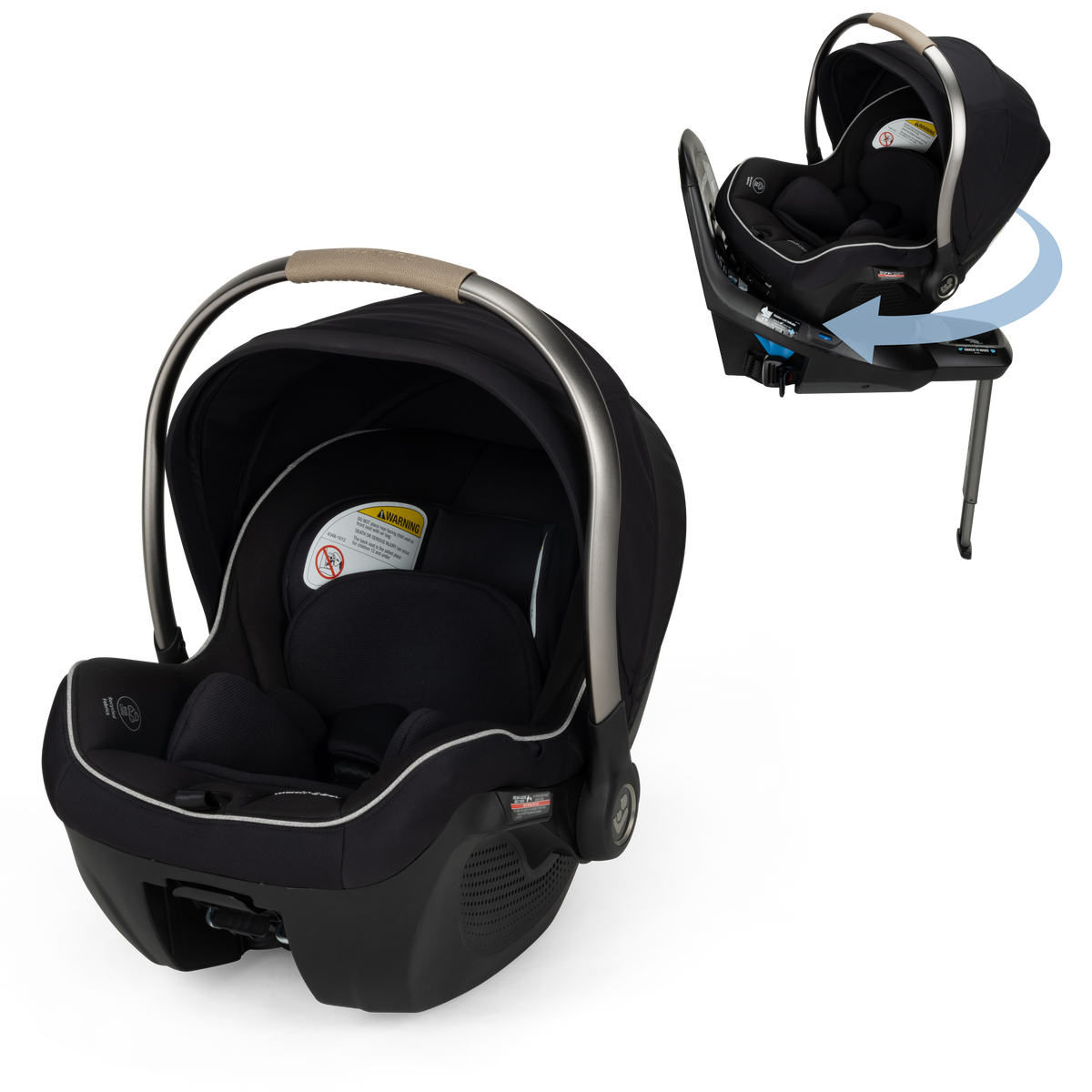
According to The American Academy of Pediatrics, for babies to sleep safely while parents sleep soundly it’s best to place infants on their backs for sleep in their own sleep space with no other people. Use a crib, bassinet or portable play yard with a firm, flat mattress and a fitted sheet. You should avoid letting them sleep on a couch or armchair or in a seating device, like a swing or car safety seat (except while riding in the car). Keep loose blankets, pillows, stuffed toys, bumpers and other soft items out of the sleep space.
Dress Baby for the Room
More layers aren't always better. Dress your baby appropriately for the room temperature and avoid over-bundling, which can lead to overheating. Simple, comfortable sleepwear can help create a sleep environment that feels cozy without adding unnecessary layers.
Keep Cords and Other Hazards Away
Think about your baby's sleep space as part of the room around it, too. Keep cords, window dressings, ties, ribbons, and other items that could wrap around your baby's neck well away from the crib or bassinet. Sharp edges and corners should also be kept out of reach.
What Should Parents Know About Swaddling?
Swaddling with a thin blanket can help some babies relax and sleep, and it may help limit the startle reflex that can wake them up. Follow the guidance of your pediatrician when it comes to swaddling, as well as when it might be time to stop.
Ready for a Safer, More Comfortable Sleep Routine?
Safer sleep doesn't have to feel complicated. Start with the basics: place baby on their back, use a firm and flat sleep surface, keep the crib clear, avoid bed-sharing, dress for the room, and keep nearby hazards out of reach. Thoughtful, consistent choices can help bedtime feel more manageable even when your own sleep is in short supply.
At Maxi-Cosi, we're here for the first naps, the middle-of-the-night feedings, and every sleepy little moment in between. Our thoughtful design is about helping your family move through each day on the parenting journey with greater confidence, comfort, and ease.

Frequently Asked Questions
What is a safer way for a newborn to sleep?
A safer sleep setup for a newborn is on their back on a firm, flat mattress in a crib or bassinet designed for infant sleep. Keep the sleep space clear of blankets, pillows, stuffed animals, crib bumpers, and other loose items. A snugly fitted sheet is all that should be on the mattress.
Should a newborn sleep in the same room as their parents?
Yes. Parents can keep their newborn close by placing the baby’s crib or bassinet in the same room, rather than sharing the same bed. Room-sharing can make nighttime feeding and check-ins easier while still giving baby a separate sleep space.
Can babies sleep with blankets, pillows, or stuffed animals?
No. A newborn’s crib or bassinet should be kept clear of blankets, pillows, stuffed animals, crib bumpers, and other loose objects. These items can create suffocation or airway risks during sleep.
When should parents stop swaddling a baby?
Follow the guidance of your pediatrician when it comes to swaddling, as well as when it might be time to stop.
How much sleep does a newborn need?
Newborns typically sleep about 14–17 hours a day, although every baby is different. Because newborns also need to feed every few hours, their sleep is usually spread throughout the day and night rather than happening in one long stretch. Breastfed newborns often feed about every 2–3 hours, while formula-fed newborns often feed about every 3–4 hours.